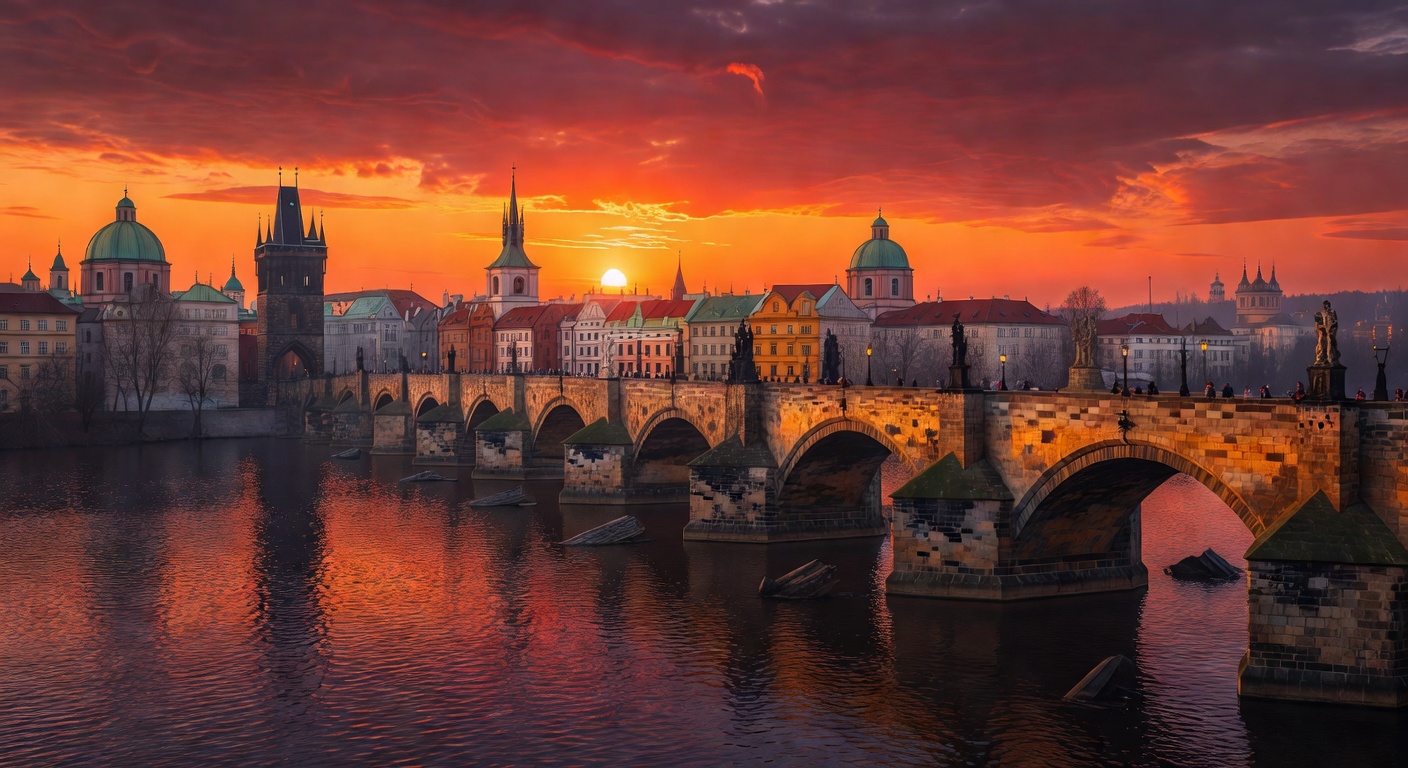
Dramatic sunset over Prague skyline with Charles Bridge and river

Prague

The City of a Hundred Spires — Where History Meets Affordability

Average Daily Budget: €35

Overview

Prague has consistently ranked among Europe's most visited cities — and for good reason. This isn't just another pretty European capital; it's a living museum of Gothic, Baroque, and Art Nouveau architecture, set along the winding Vltava River. What makes Prague truly special for budget travelers is that all this beauty comes at Central European prices, not Western European ones.

The city center is entirely walkable, meaning you can spend days wandering from the Old Town Square to Prague Castle without spending a cent on transport. Street musicians fill the air with classical melodies, and every corner reveals a new photogenic alleyway or hidden courtyard.

Why It's Budget-Friendly

  • Beer is cheaper than water — literally €1.50 for a half-liter of excellent Czech pilsner
  • Traditional meals like svíčková, guláš, and trdelník cost €4–7 at local restaurants
  • Public transport day passes cost just €4.50, though most attractions are walkable
  • Many churches, parks, and viewpoints are completely free to visit
  • Hostel dorms start at €10–12/night in prime Old Town locations

Top Attractions

Charles Bridge

Walk this iconic 14th-century bridge at sunrise to avoid crowds. Lined with 30 baroque statues, it's one of Europe's most photographed landmarks. Free to visit.

Prague Castle

The largest ancient castle complex in the world. The grounds are free; interior tickets start at €10. Don't miss St. Vitus Cathedral inside.

Old Town Square

Watch the Astronomical Clock perform every hour on the hour. The square is surrounded by pastel-colored buildings and bustling cafés.

Petřín Hill

A peaceful escape with gardens, a mirror maze, and a mini Eiffel Tower. Hike up for free or take the funicular for €1.50.

Insider Tips

  • Avoid the restaurants directly on Old Town Square — walk 2 minutes in any direction for half the price
  • Visit in shoulder season (April–May or September–October) for fewer crowds and lower prices
  • Get a Lítačka card for unlimited public transport — 30-day pass costs just €22
  • The free walking tours departing from Old Town Square are genuinely excellent
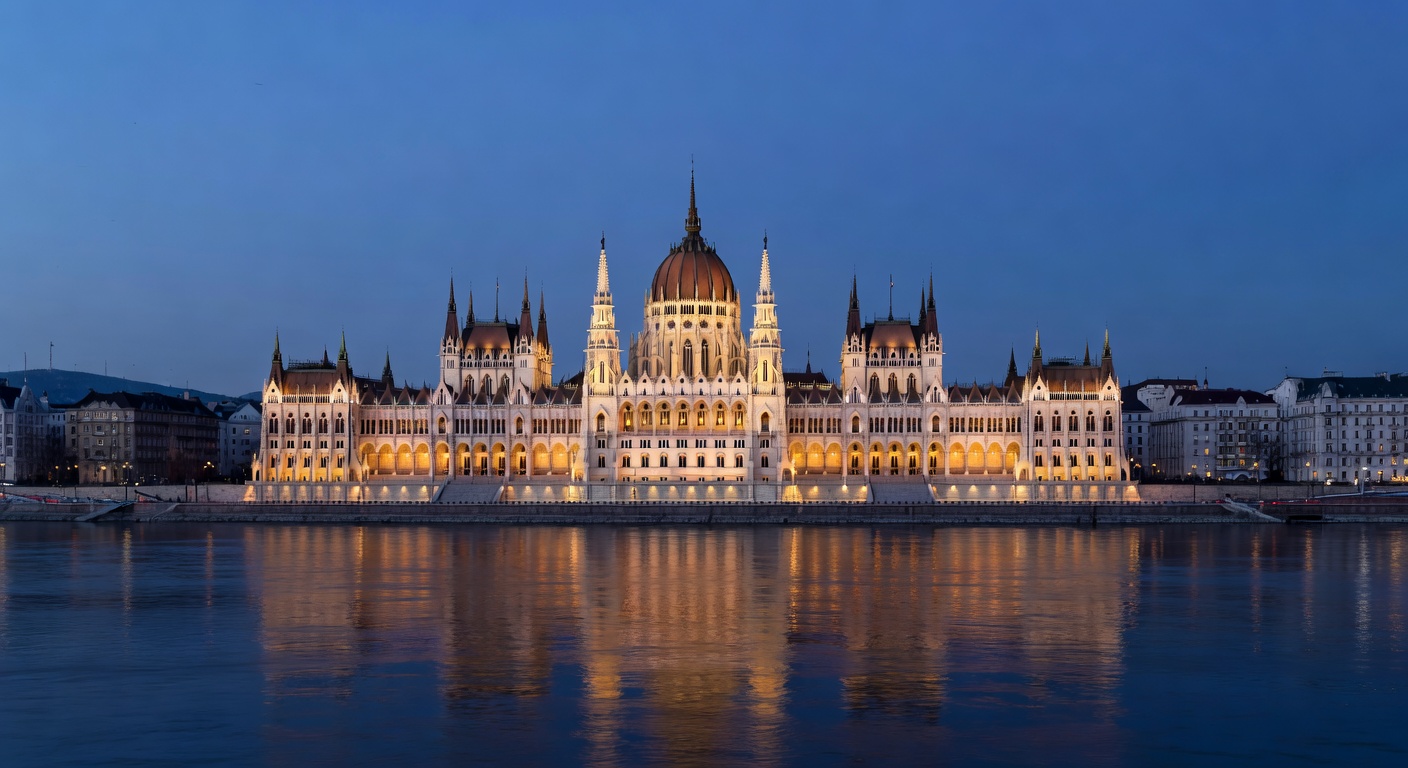
Budapest Parliament Building and Danube River panorama at blue hour

Budapest

The Pearl of the Danube — Thermal Baths, Ruin Bars & Grandeur

Average Daily Budget: €40

Overview

Budapest is two cities in one: Buda sits on the hilly west bank of the Danube with its medieval castle district, while Pest sprawls on the flat eastern side with grand boulevards, ruin bars, and buzzing nightlife. Together, they create one of Europe's most compelling and affordable destinations.

The city is famous for its thermal bath culture — over 120 natural hot springs feed dozens of bathhouses, some dating back to the Ottoman era. A soak in the Széchenyi or Gellért baths is a quintessential Budapest experience and costs just €8–15.

Why It's Budget-Friendly

  • Hungarian Forint makes everything cheaper — a hearty bowl of goulash costs €3–4
  • Ruin bars serve drinks from €2, and the atmosphere is unlike anything else in Europe
  • Many museums offer free entry on national holidays or specific days
  • The city is extremely walkable, and a 24-hour transport pass costs just €5.50
  • Market halls sell incredible local food at a fraction of restaurant prices

Top Attractions

Széchenyi Thermal Bath

Europe's largest medicinal bath complex. Soak in outdoor pools surrounded by neo-baroque architecture for €8–15. Open year-round.

Buda Castle & Fisherman's Bastion

Stunning panoramic views of the Danube and Parliament. The terraces are free; castle interior museum is €10.

Ruin Bars (Szimpla Kert)

Szimpla Kert is the original and most famous ruin bar — a crumbling building transformed into an eclectic party wonderland.

Hungarian Parliament

The third-largest parliament building in the world. Guided tours cost €8 for EU citizens. The building is most beautiful at night.

Insider Tips

  • Visit the Great Market Hall for affordable local food — lángos (fried bread) costs €2
  • Take a free walking tour — Budapest's guides are some of the best in Europe
  • Bring your own towel to thermal baths to save on rental fees
  • The Danube promenade is free and gorgeous — especially at sunset
Kraków Main Market Square with horse carriages and St Mary's Basilica

Kraków

Europe's Best-Value City — History, Culture & Pierogi

Average Daily Budget: €30

Overview

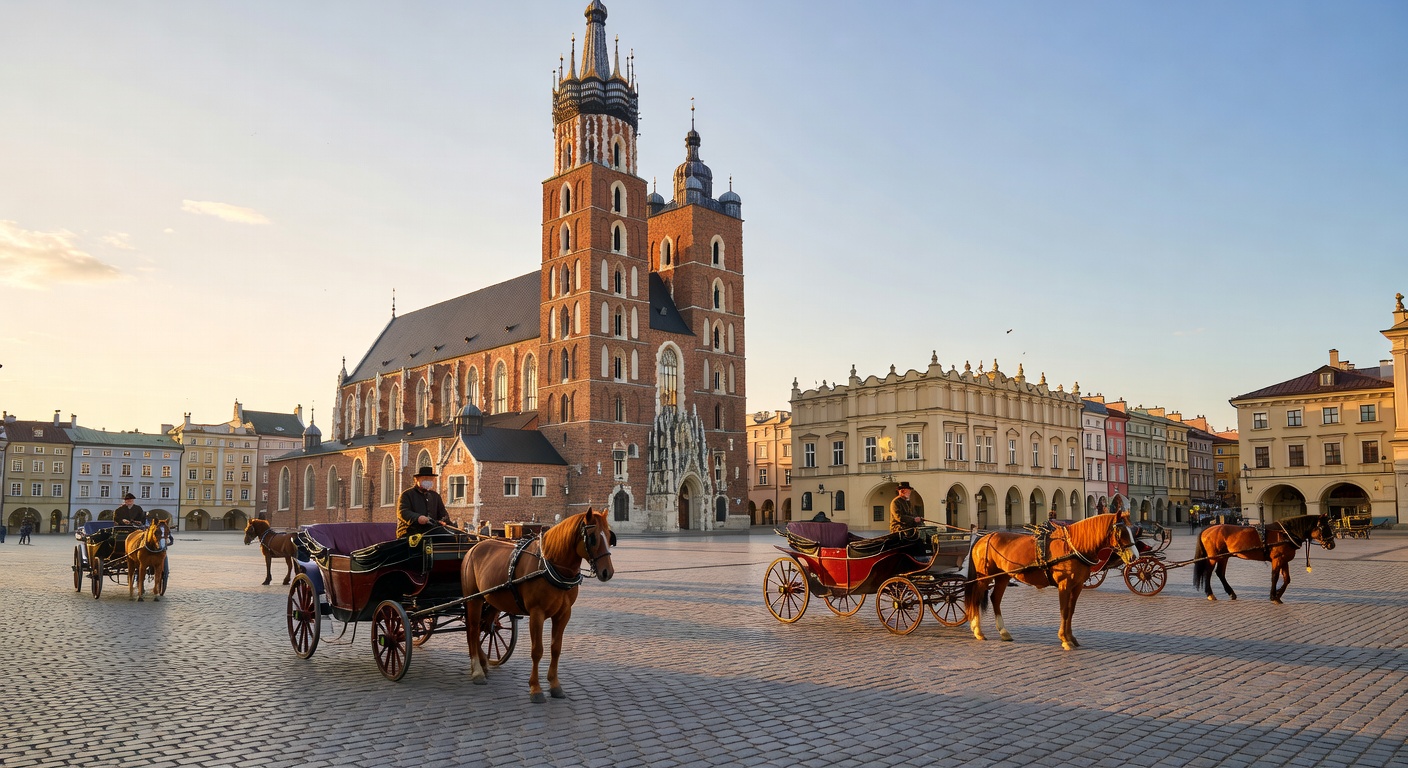
Kraków is Poland's cultural capital and one of the few major European cities that survived World War II largely intact. The result is a beautifully preserved medieval core centered around the largest market square in Europe. It's a city where you can spend an entire week without running out of things to see, eat, or explore.

The city's student population keeps prices low and energy high. The Kazimierz district — once the historic Jewish quarter — is now the coolest neighborhood in town, packed with quirky bars, art galleries, and some of the best street food in Poland.

Why It's Budget-Friendly

  • A plate of pierogi (dumplings) costs €2.50–4 at local milk bars (bar mleczny)
  • Craft beer scene is booming — pints from €2
  • Many museums offer free entry one day per week
  • The entire Old Town is walkable — no transport needed for sightseeing
  • Hostels in prime locations start at €8–10/night

Top Attractions

Wawel Castle

Poland's most important landmark. The castle grounds are free; interior exhibitions cost €4–8 each. Don't miss the Dragon's Den underneath.

Main Market Square

Europe's largest medieval square, home to the Cloth Hall and St. Mary's Basilica. The trumpet call plays every hour — a tradition since the Middle Ages.

Wieliczka Salt Mine

An underground world of chapels, lakes, and sculptures carved from salt. Tours cost €20 and last 2–3 hours. Absolutely worth it.

Kazimierz District

The bohemian heart of Kraków. Wander between street art, vintage shops, and hidden courtyards. The Saturday flea market is a must.

Insider Tips

  • Eat at a milk bar (bar mleczny) — these subsidized cafeterias serve filling Polish meals for €2–3
  • Book Auschwitz-Birkenau tours well in advance — free entry with reservation, guided tours from €15
  • The Planty Park circles the entire Old Town — perfect for a morning jog or evening stroll
  • Try zapiekanka (Polish street pizza) from the window stalls in Kazimierz for €2
Lisbon cityscape with colorful buildings cascading down hillside toward river

Lisbon

Western Europe's Sunniest Bargain — Hills, Tiles & Tarts

Average Daily Budget: €50

Overview

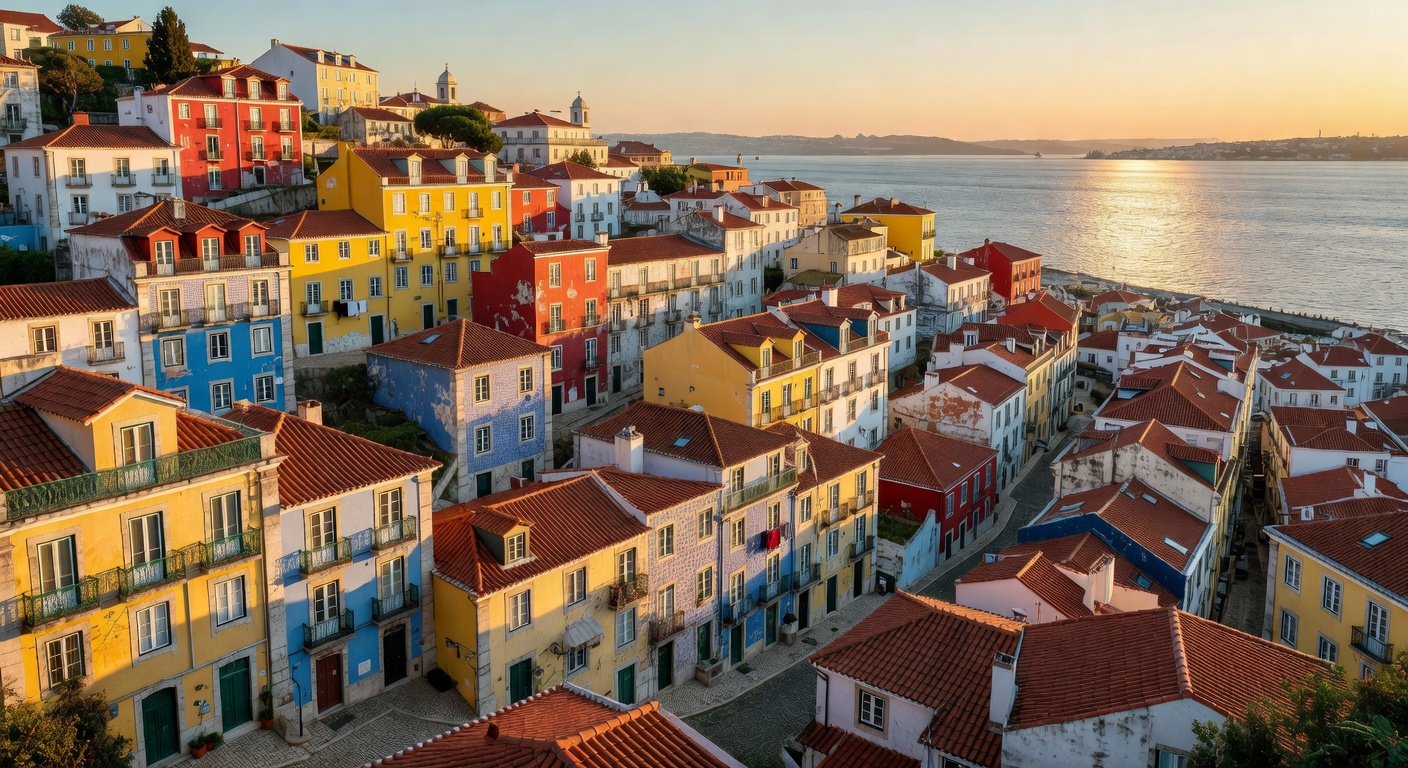
Lisbon defies the rule that Western European capitals are expensive. Built across seven hills overlooking the Tagus River, Portugal's capital is a city of pastel-colored buildings, azulejo-tiled facades, and some of the best seafood in Europe — all at surprisingly reasonable prices.

The city's neighborhoods each have distinct personalities: historic Alfama with its narrow lanes and fado music, trendy LX Factory for art and brunch, and Belém for pastries and maritime history. Lisbon rewards wanderers — get lost and you'll find hidden miradouros with breathtaking panoramic views.

Why It's Budget-Friendly

  • Pastéis de nata cost just €1.10 at the famous Pastéis de Belém — or €0.80 at most bakeries
  • A plate of grilled sardines with potatoes at a local tasca costs €6–8
  • Ginjinha (cherry liqueur) shots are €1.50 at tiny hole-in-the-wall bars
  • Day trips to Sintra by train cost €4.50 round trip
  • Many viewpoints and neighborhoods are free to explore on foot

Top Attractions

Alfama District

Lisbon's oldest neighborhood. Get lost in the labyrinth of narrow streets, discover hidden fado bars, and climb to the São Jorge Castle viewpoint.

Belém Tower & Monastery

UNESCO World Heritage sites celebrating Portugal's Age of Discovery. The Jerónimos Monastery is stunning — entry €10 or free on Sundays before 2pm.

Tram 28

The iconic yellow tram rattles through Lisbon's steepest hills and narrowest streets. A regular ticket costs €3. Best experienced early morning.

Time Out Market

A food hall showcasing Lisbon's best chefs and restaurants. Meals range from €6–15, and the quality is outstanding.

Insider Tips

  • Get a Lisboa Card for 24/48/72 hours — includes unlimited transport and free museum entry
  • Eat at local tascas (taverns) not tourist restaurants — look for handwritten menus
  • Visit Sintra on a weekday to avoid crushing weekend crowds
  • The Santa Justa Elevator is overpriced — walk up to the Carmo Convent terrace for the same view, free
Sofia Alexander Nevsky Cathedral golden domes with Vitosha Mountain behind

Sofia

Europe's Most Underrated Capital — Ancient, Affordable & Surprising

Average Daily Budget: €25

Overview

Sofia is a city that surprises everyone who visits. Beneath the surface of what looks like an unassuming Eastern European capital, you'll find 7,000 years of history layered into the streets — Roman ruins beneath modern shopping centers, medieval churches beside Soviet monuments, and Ottoman mosques around the corner from hip coffee shops.

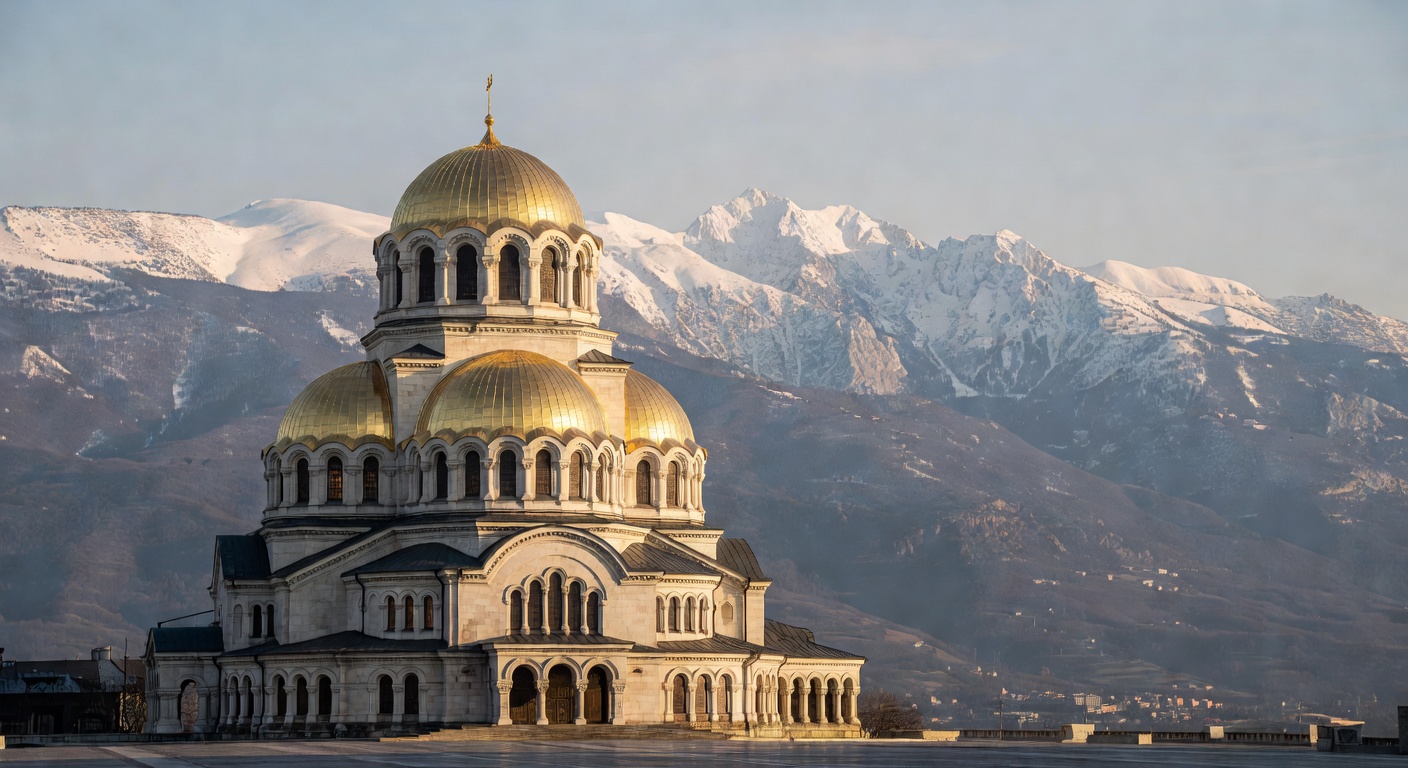
The city sits at the foot of Vitosha Mountain (2,290m), giving you the rare option of combining city sightseeing with mountain hiking in the same day. And with prices that make even Prague and Kraków look expensive, Sofia is the undisputed champion of budget travel in Europe.

Why It's Budget-Friendly

  • Restaurant meals average €3–5, including a drink
  • A craft beer costs €1.50–2.50 at some of the city's best bars
  • Single metro/bus tickets cost €0.80
  • Hostel beds start at €7/night in the city center
  • The Free Sofia Tour is one of the best free walking tours in all of Europe

Top Attractions

Alexander Nevsky Cathedral

Sofia's most iconic landmark. This neo-Byzantine masterpiece with golden domes is free to enter and absolutely breathtaking inside.

Vitosha Boulevard & Mountain

Start with shopping on the boulevard, then take bus #66 to the mountain base. A full hike to the peak takes 3–4 hours and costs nothing.

Serdica Roman Ruins

Discovered during metro construction, these 2nd-century ruins sit beneath a glass covering in the middle of the city. Free to view.

Boyana Church (UNESCO)

Home to medieval frescoes that predate the Italian Renaissance by a century. Entry €5, but you must book a time slot.

Insider Tips

  • Fill your water bottle at the natural mineral water fountains near the Central Mineral Baths — it's warm, mineral-rich, and free
  • Visit the Women's Market (Zhenski Pazar) for dirt-cheap fresh produce and Bulgarian cheese
  • The Sofia metro system is modern, clean, and incredibly affordable
  • Don't skip the National Palace of Culture (NDK) park area — it's where locals hang out in the evenings